
A Load Can Be Secure But Still Not Ready for the Highway
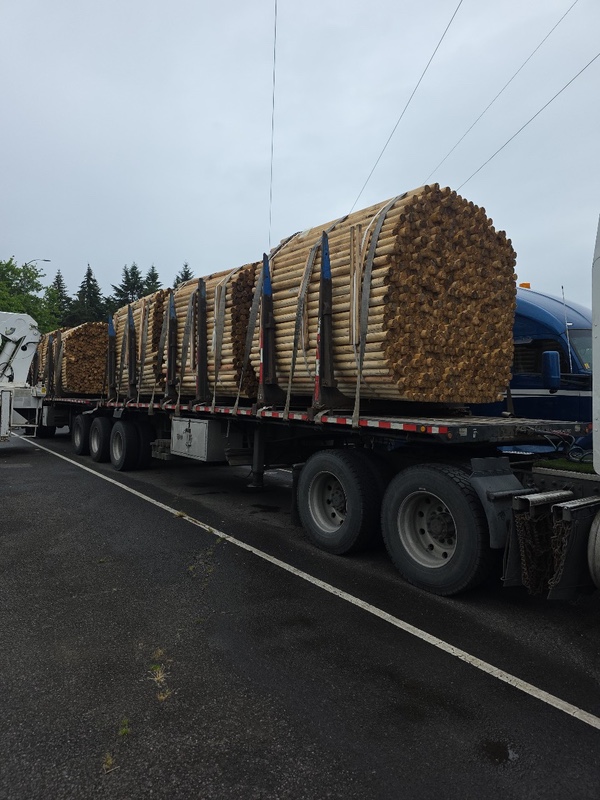
Getting freight onto a trailer is only part of preparing it for transport. The load also has to meet the requirements that apply when that truck reaches a weigh station or port of entry. One carrier found that out at the southbound I-5 Port of Entry near Woodburn, Oregon, around mile marker 274, when five large bundles of lumber needed to be reworked before the trailer could continue. The carrier called Baker & Baker Towing for Woodburn cargo services to correct the problem.
Each bundle weighed approximately 10,000 pounds. Altogether, that meant we had about 50,000 pounds of lumber to lift, reposition, and properly support.
The Scale Master Had the Final Say
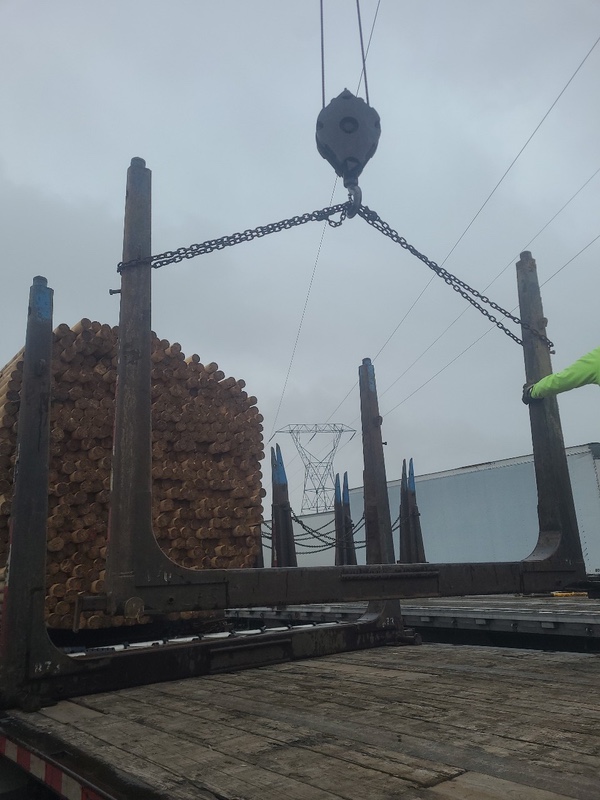
The lumber had been secured with straps, but the bundles had not been loaded with the proper bunks underneath them. The scale master at the DOT scale would not allow the load to proceed in that configuration.
This was not a matter of simply adding another strap and getting back onto I-5. The bundles needed to come off the trailer so the proper supports could be installed underneath them.
It is a useful distinction. Cargo can appear firmly secured while still failing to meet the requirements for how that particular load needs to be supported.
Five Bundles Had to Come Off the Trailer
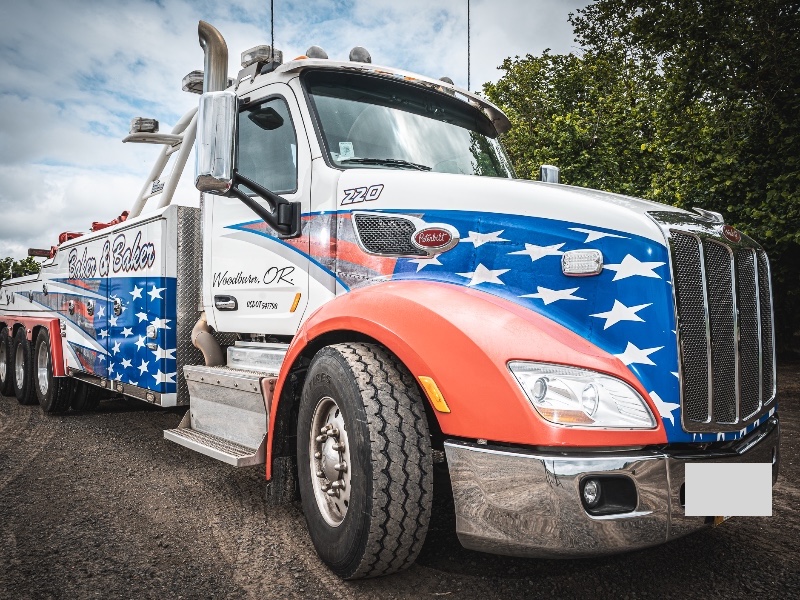
With five bundles at roughly 10,000 pounds each, manually shifting the lumber obviously was not an option. Baker & Baker sent Tanny and Travis to handle the rework, with Tanny operating Truck 209, our crane.
The commercial vehicle itself was not the problem. The job centered on correcting how its cargo was positioned and supported.
For this cargo rework near Woodburn, we needed to essentially reverse part of the original loading process and then rebuild it correctly.
Lift It, Fix the Support, Put It Back
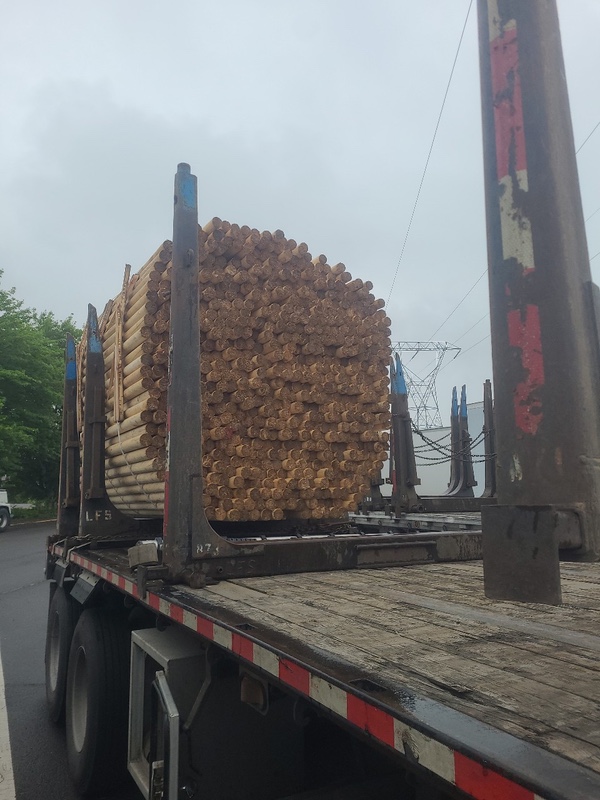
The process was straightforward in concept, but each lift involved a substantial bundle of lumber. We worked through the load so the correct bunks could be placed before the freight went back onto the trailer.
The job involved:
- Lifting the wood bundles from the trailer
- Creating access to the areas that needed proper bunks
- Installing the required supports
- Replacing the bundles onto the trailer
- Working through the load until the freight was properly supported
Using the crane allowed us to handle the individual 10,000-pound bundles during the Woodburn load rework without having to unload the freight somewhere else and arrange another method of lifting it.
Why Bunks Matter Under a Heavy Load
Straps and bunks do different jobs. Straps secure cargo to the trailer, while bunks provide support beneath the load and help establish how the freight sits on the deck.
That distinction became the central issue in this I-5 cargo service near Woodburn. The wood was strapped down, but the scale master required the proper bunks before allowing the load to continue.
When a carrier is trying to get product moving, it is easy to focus on whether the load seems secure enough for travel. A DOT inspection adds another consideration: whether the way the freight was loaded meets the requirements that determine if it can legally continue.
Three Hours to Correct the Load
Tanny and Travis completed the work in approximately three hours. With five bundles weighing around 10,000 pounds apiece, that meant handling roughly 50,000 pounds of lumber during the process.
The job is also a good reminder that a problem discovered at a scale does not necessarily mean the freight has to remain stranded. With the right lifting capability, Woodburn freight rework services can address the load itself at the point where the issue is discovered.
Baker & Baker Towing: We Deliver Premier Woodburn Cargo Services
For Baker & Baker Towing, this call was less about towing a truck and more about having the equipment and practical knowledge to solve a freight problem. Our two-person team used Truck 209 and its crane to remove the five lumber bundles, make room for the proper bunks, and put the approximately 50,000-pound load back in place.
In this case, Woodburn cargo services meant correcting a load that could not continue past the DOT scale in its existing configuration. Three hours of crane and load-rework work gave the carrier a way to address the problem where it was found and get the freight ready for its next step.
FAQs
Why would a DOT scale stop a truck because of how its cargo is loaded?
Cargo has to meet applicable securement and loading requirements before the truck can continue. A load that appears secure may still need corrections if its support or configuration is not acceptable.
What is a cargo load rework?
A load rework involves correcting how freight is positioned, supported, or secured on a trailer. Depending on the problem, some or all of the cargo may need to be lifted and repositioned.
Why are bunks used underneath bundles of lumber?
Bunks support and separate the freight from the trailer deck. They can also help establish a suitable position for the load and provide access around or beneath the bundles.
How do you move a 10,000-pound bundle of lumber?
Heavy bundles require equipment capable of controlling their weight during lifting and repositioning. For this job, Baker & Baker Towing used a crane to handle each bundle.
Does the entire load have to come off during a rework?
Not necessarily. It depends on what needs to be corrected and where the problem is located within the load. In this case, the five bundles had to be lifted so the proper bunks could be installed.
How long did this 50,000-pound lumber rework take?
Baker & Baker Towing completed the work in approximately three hours. Two team members handled the job using Truck 209 and its crane.