
From a Team That Keeps Oregon Moving
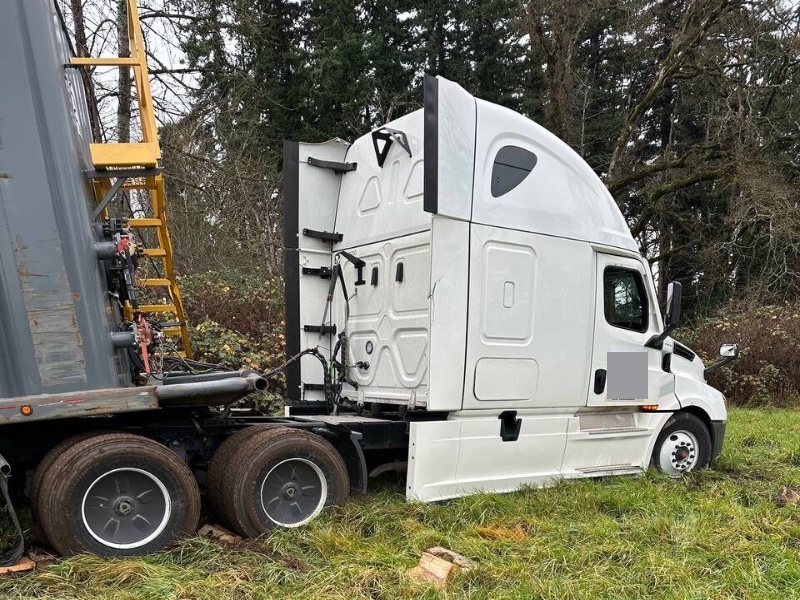
Holiday traffic brings a mix of challenges to Oregon’s busiest highway. And truckers feel it the most. With increased congestion, slick roads, tighter schedules, and unpredictable weather, the risk of trouble and accidents climbs fast. Our I-5 semi towing team stays ready for whatever the season throws at the stretch between Salem and Woodburn. From weather delays to breakdowns, detours, and roadside emergencies, the season has a way of testing even the most experienced drivers. A little preparation now can go a long way toward avoiding problems later.
Tips for Staying on the Road and Out of Trouble
These are the situations we get called to every year. The details change, but the patterns don’t. The majority of incidents we respond to come down to a handful of avoidable missteps, and those mistakes don’t take much to prevent. Here’s what we’ve learned.
Know What You’re Driving Into
Conditions change fast on Oregon’s interstates. Black ice near Salem shows up before sunrise. Wet leaves near Woodburn slick the pavement after just a bit of rain.
- Check Oregon DOT road conditions before each leg.
- Watch bridges, shaded curves, and exposed ramps.
- Carry chains and make sure you can put them on without delay.
Give Yourself Space
Close traffic is one of the biggest risks this season. Short gaps and quick braking create problems that grow fast. This is especially true around outlet malls and exit ramps.
- Increase following distance in poor weather.
- Expect quick stops and distracted drivers.
- Leave room for unpredictable merges.
Stop Before You’re Worn Out
Tired driving leads to mistakes. Our team sees the results of fatigue all too often, especially late at night or during back-to-back runs.
- Use truck stops between Eugene and Portland with good lighting.
- Stay hydrated throughout your shift.
- Plan ahead to avoid pushing past safe hours.
Secure Every Load Without Exception
Shifting cargo creates accidents, especially during hard stops or winter turns. A quick visual check at each stop makes a difference. If a load breaks loose and causes a rollover, it often ends in an I-5 semi towing call. We’ve seen securement issues lead directly to some of the most difficult I-5 semi towing recoveries we handle.
- Re-tighten straps after the first 50 miles.
- Inspect tie-downs for wear or ice buildup.
- Double-check corners, covers, and latches before every leg.
Baker & Baker Towing: I-5 Semi Towing from Salem to Woodburn
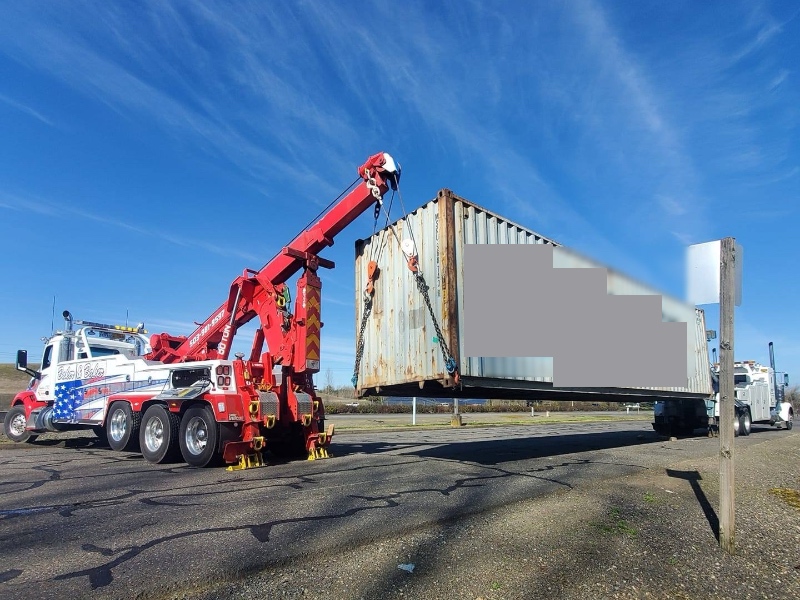
Baker & Baker Towing responds quickly and works clean. Our I-5 semi towing team operates out of both Salem and Woodburn with equipment ready for heavy-duty recoveries. We move semis off shoulders, out of ditches, and away from problem spots without delay.
Our I-5 semi towing services include:
- Heavy-duty towing for disabled trucks
- Winch-outs and off-road recoveries
- Roadside support for battery issues and no-starts
- Quick clearance after rollovers or jackknifes
Our I-5 semi towing team stays ready because this season doesn’t pause. When you need us, we’re out there: prepared, equipped, and close to the road.
If you’re driving Oregon’s I-5 this holiday, stay alert and take your time. We’re here to help when things don’t go according to plan. For trusted I-5 semi towing, call Baker & Baker Towing.
FAQ
What should truck drivers check before a winter trip?
Truck drivers should check tire pressure, fluid levels, lights, wipers, and battery strength. It’s also smart to inspect brakes and load securement. Carrying chains, extra warm clothing, and emergency supplies is always a good idea.
How can truckers avoid fatigue on long winter hauls?
Avoiding fatigue starts with getting real rest. Plan breaks ahead of time, stop before you feel overly tired, and use rest areas with good lighting. Staying hydrated and eating balanced meals can help you stay alert longer.
Why is it important to watch following distance in winter?
Stopping takes longer on cold or wet roads. Keeping extra space between vehicles gives you more time to react to unexpected stops or swerves, especially in heavy traffic or poor visibility.
What causes most winter truck accidents?
Common causes include speeding in poor conditions, following too closely, sharp turns on icy roads, and driver fatigue. Many winter accidents could be prevented with slower speeds and better spacing.
Is it safe to use cruise control in icy weather?
No, cruise control should be avoided on slick roads. It can cause your wheels to spin or make it harder to react quickly if you lose traction.
What are signs that a load needs to be rechecked?
If you hear shifting sounds, feel sudden pulling, or see straps loosening, it’s time to stop and inspect your load. It’s also smart to recheck after driving over rough roads or sharp turns.